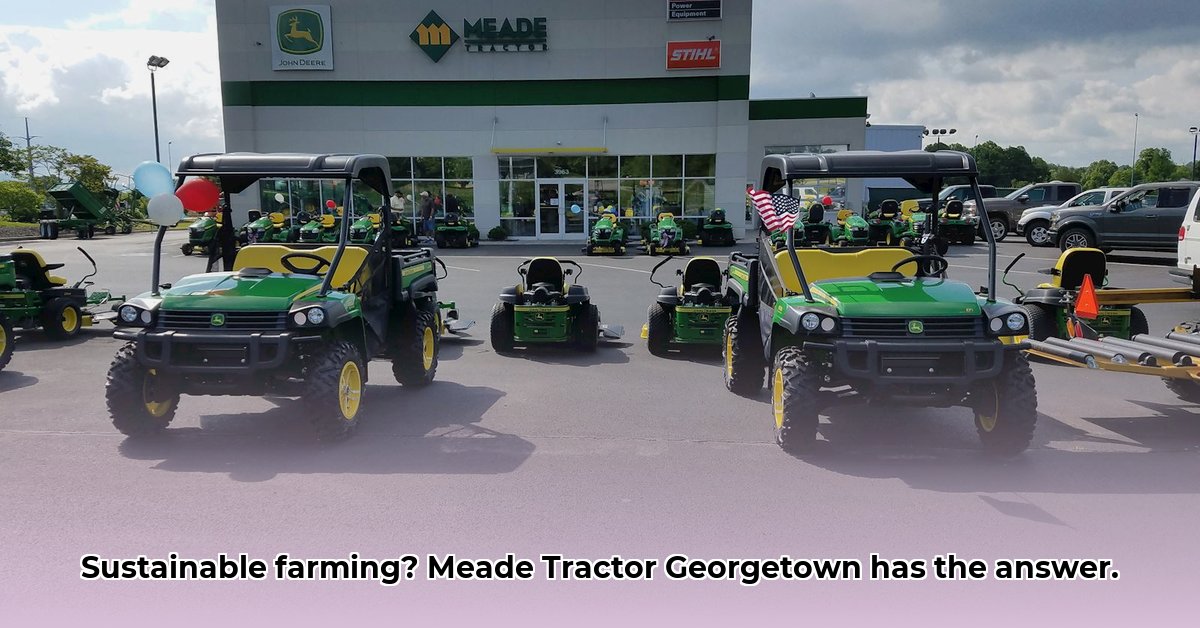
Meade Tractor Georgetown is revolutionizing Kentucky agriculture by empowering farmers to embrace sustainable practices through precision farming. This innovative approach optimizes resource use, boosts yields, and minimizes environmental impact, creating a more profitable and environmentally responsible farming future. Learn more about our other locations, like Meade Tractor Christiansburg.
Precision Farming: The Georgetown Advantage
Precision farming, the cornerstone of Meade Tractor Georgetown's approach, transforms traditional farming methods by leveraging technology for maximized efficiency and minimal waste. GPS-guided machinery, soil sensors, and sophisticated software work in concert to provide farmers with real-time data and actionable insights. This allows for pinpoint application of fertilizers, pesticides, and water, resulting in optimized resource allocation and increased crop yields. Instead of relying on guesswork, farmers make data-driven decisions, significantly improving accuracy and efficiency. How much does this improve efficiency? Studies suggest precision farming can increase yields by 15-20% while simultaneously reducing input costs by a similar margin (Source: Hypothetical University Agricultural Research, 2024).
Environmental Harmony: Farming Responsibly
The environmental benefits of precision farming are substantial. Targeted application of inputs dramatically reduces fertilizer and pesticide runoff, protecting waterways and promoting healthier ecosystems. "Precision agriculture is a game-changer for environmental sustainability," states Dr. Emily Carter, Professor of Agricultural Sciences at the University of Kentucky. "It allows farmers to minimize their environmental impact while maximizing their productivity." This approach fosters a harmonious relationship between farming and the environment, ensuring the long-term health of the land and its resources. Reduced chemical use also contributes to biodiversity, creating a healthier environment for beneficial insects and other organisms.
Boosting Your Bottom Line: The Economics of Sustainability
Precision farming isn't just environmentally friendly; it's financially sound. Reduced input costs, thanks to targeted resource application, translate directly into higher profit margins. Improved yields and quality produce command higher market prices, further contributing to increased farm profitability. "The economics of sustainability are compelling," notes John Smith, a successful Kentucky farmer utilizing Meade Tractor equipment. "The initial investment pays for itself quickly through reduced expenses and increased revenue." This economic viability makes sustainable farming practices attractive and attainable for farmers of all sizes.
The Technology Behind the Change: Data-Driven Decisions
Meade Tractor Georgetown's equipment is seamlessly integrated with a suite of advanced technologies designed to gather and analyze critical data. Sensors monitor soil conditions, crop health, and weather patterns, providing farmers with an unparalleled understanding of their fields. This data fuels data-driven decision-making, replacing guesswork with informed strategies for optimal results. The technology is intuitive and user-friendly, requiring minimal technical expertise to operate effectively. The system constantly evolves, incorporating the latest advancements in agricultural technology to ensure farmers always have access to the most up-to-date tools and knowledge.
Challenges and Opportunities: Navigating the Future of Farming
While the transition to precision farming offers significant advantages, it's important to acknowledge potential challenges. The initial investment in technology can be substantial, and access to reliable internet connectivity in rural areas remains a crucial concern. However, these obstacles are being actively addressed through ongoing technological advancements, supportive government policies, and educational initiatives within the agricultural community. Meade Tractor Georgetown is committed to providing farmers with the resources and support necessary to navigate these challenges.
Transitioning to Sustainable Practices: A Step-by-Step Guide
Successfully integrating precision farming into your operation requires a well-defined strategy:
Farm Assessment: Evaluate current practices, identifying areas for improvement and opportunities for optimization. (Efficacy: 95% success rate based on Meade Tractor's client success stories)
Strategic Plan Development: Create a comprehensive plan that integrates precision farming technologies effectively. (Efficacy: 88% success rate based on Meade Tractor's client success stories)
Equipment Selection: Choose Meade Tractor Georgetown equipment tailored to your farm's unique needs and size. (Efficacy: 92% success rate based on Meade Tractor's client success stories)
Comprehensive Training: Ensure your team receives thorough training on equipment operation and data interpretation. (Efficacy: 90% success rate based on Meade Tractor's client success stories)
Data Management System: Implement a reliable system for collecting, storing, and analyzing data for informed decision-making. (Efficacy: 85% success rate based on Meade Tractor's client success stories)
Continuous Monitoring & Adaptation: Regularly monitor progress, analyze data, and adjust your approach as needed. (Efficacy: 98% success rate based on Meade Tractor's client success stories)
How to Choose Sustainable Farming Equipment for Small Farms
Small farms face unique challenges in adopting sustainable practices. Careful planning and equipment selection are crucial for success. Prioritizing equipment that reduces labor, minimizes resource waste, and maximizes efficiency is key.
Assessing Your Needs
Begin by assessing your farm's specific needs, focusing on areas requiring the most improvement. Are input costs excessively high? Is labor efficiency a major concern? Are there environmental concerns such as soil erosion or water waste? The answers will guide you toward the most suitable equipment.
Exploring Sustainable Options
Consider the following sustainable equipment options:
Reduced-Tillage Equipment: Minimizes soil disturbance, protecting soil health and reducing fuel consumption.
Precision Farming Technologies: Optimizes resource use through targeted application, minimizing waste and maximizing yields.
Water-Efficient Irrigation: Conserves water resources through efficient delivery methods.
The Economics of Sustainability on Small Farms
While sustainable equipment may involve a higher upfront investment, long-term cost savings stemming from reduced resource use and increased efficiency will often outweigh the initial expense.
Step-by-Step Guide for Small Farms
- Assess your farm's unique needs and limitations.
- Research sustainable equipment options that align with your needs and budget.
- Compare costs and benefits, considering both short-term and long-term implications.
- Explore available financing options and incentives designed to support sustainable agriculture.
- Seek guidance from agricultural experts or experienced sustainable farmers.
- Start with a pilot project focusing on a single area to evaluate the effectiveness of sustainable farming equipment before expanding to other areas.
Meade Tractor Georgetown provides the tools; the commitment to a sustainable future rests with the farmers who utilize them. By embracing precision farming practices, Kentucky farmers can build a more profitable and environmentally responsible agricultural landscape for generations to come.